Grille Systems
Air Grilles
Visible air delivery and return interfaces that balance airflow direction, clean maintenance access, and architectural finish in occupied spaces.
View solution
Industry
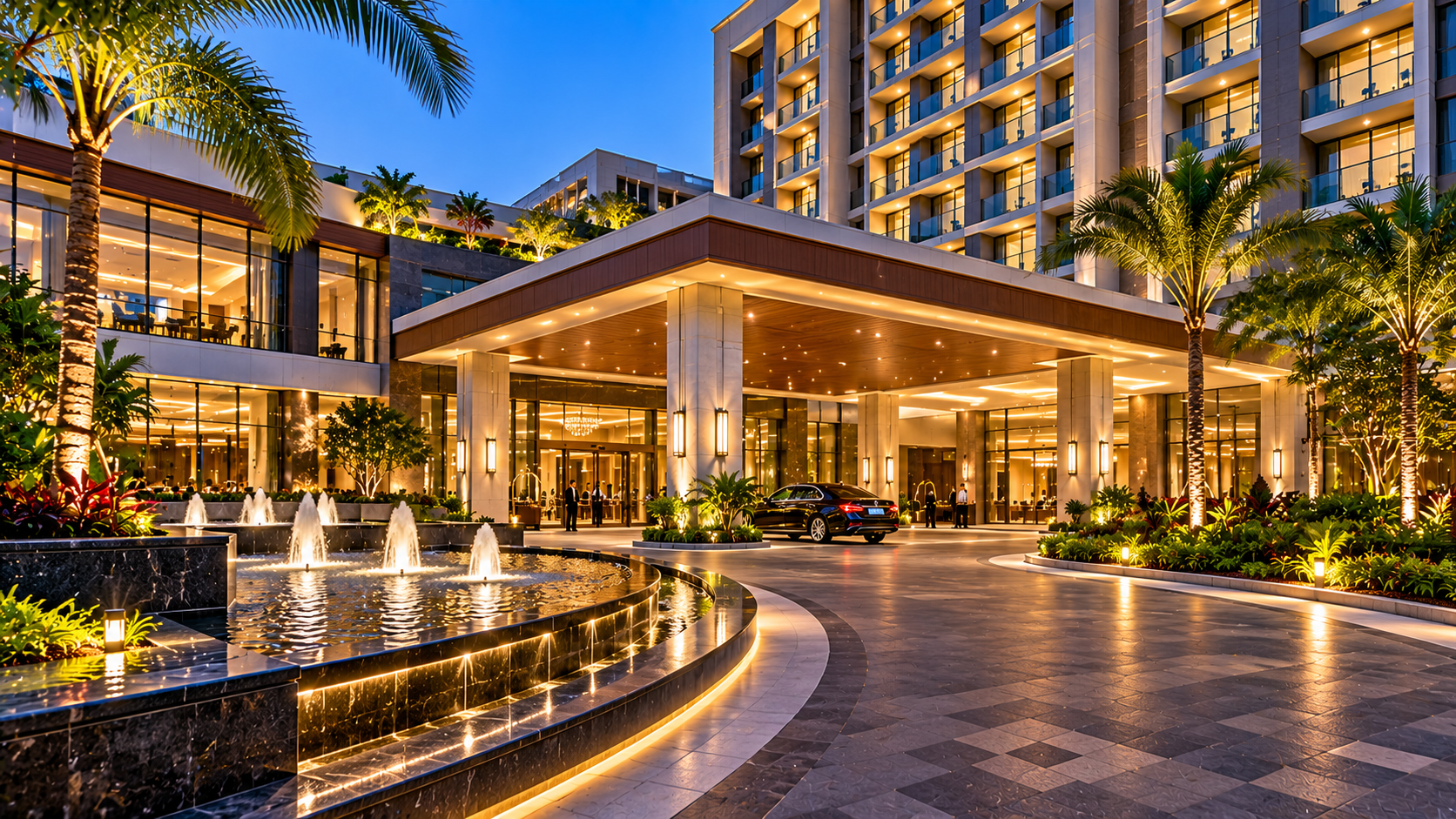
Hospitality projects must protect guest comfort, visual refinement, and quiet operation while serving very different space types within one property.
If airflow components feel intrusive, noisy, or poorly finished, the guest experience suffers and premium interior investments lose impact.
Industry Pain Point
Each industry carries its own commercial and operational risk. These notes explain how the airflow package should be structured to avoid preventable failures.
The result is a calmer guest experience, stronger design continuity, and HVAC performance that supports rather than disrupts the hospitality brand.
Recommended Products
These links connect each industry challenge to the solution pages most relevant to performance, coordination, and execution in that environment.
Selection Questions
Short answers for consultants, contractors, and project owners deciding how the environment should shape airflow decisions.
Because guestrooms are more noise-sensitive and public areas are more design-led, so both visible terminals and acoustic control carry more commercial importance.
Guest rooms, suites, lounges, meeting areas, and premium dining spaces usually benefit most from active acoustic control.