Grille Systems
Air Grilles
Visible air delivery and return interfaces that balance airflow direction, clean maintenance access, and architectural finish in occupied spaces.
View solution
Industry
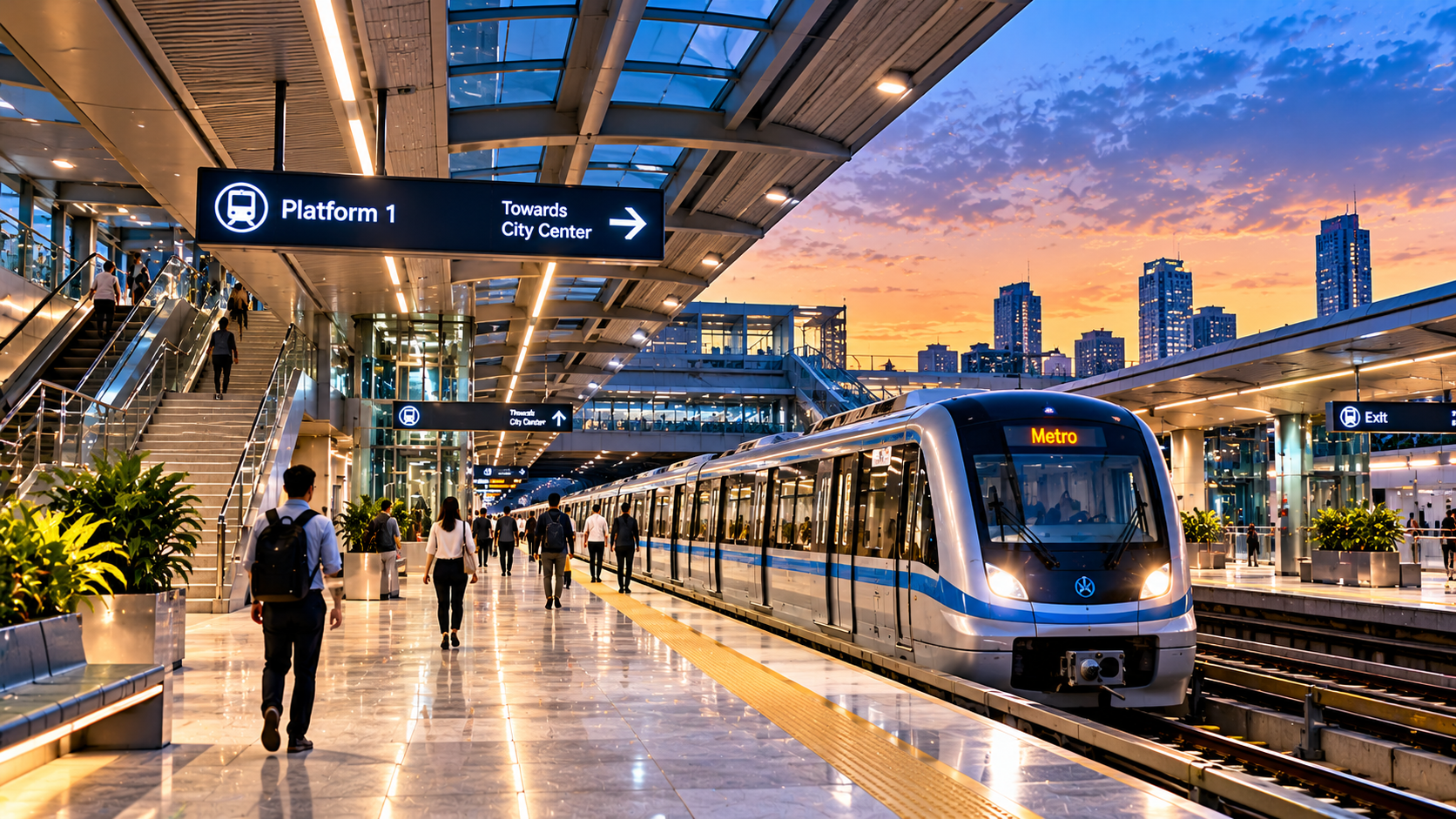
Transit projects require durable public-space airflow systems, smoke-zoning logic, and maintainable service interfaces inside heavily used infrastructure.
If the package is weak, stations face faster wear, harder cleaning, operational access issues, and increased safety risk during smoke-control events or maintenance closures.
Industry Pain Point
Each industry carries its own commercial and operational risk. These notes explain how the airflow package should be structured to avoid preventable failures.
The result is a transit-ready HVAC package that handles public wear, supports safety logic, and remains easier to maintain under tight operating schedules.
Recommended Products
These links connect each industry challenge to the solution pages most relevant to performance, coordination, and execution in that environment.
Selection Questions
Short answers for consultants, contractors, and project owners deciding how the environment should shape airflow decisions.
Because control and isolation functions often connect directly to public-safety and smoke-management strategies within the station layout.
Durability, airflow clarity, easy cleaning, and a restrained appearance that works within wayfinding-heavy interiors.